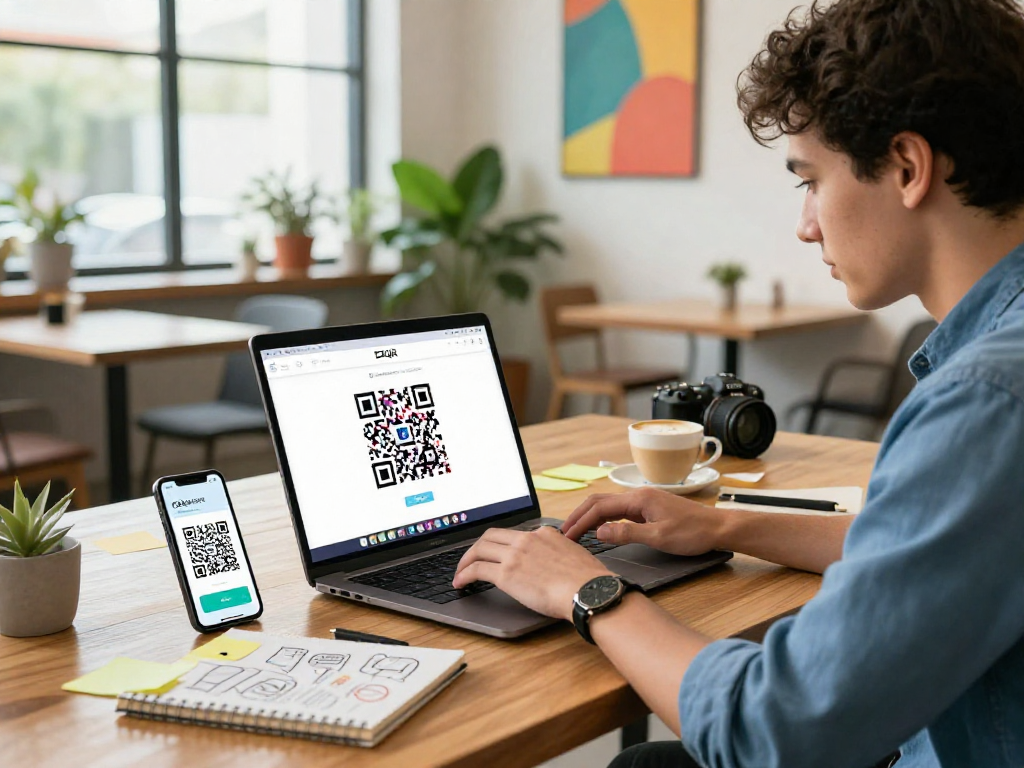
Understanding QR Code Generators: Anatomy and Functions
QR Code Generators have revolutionized how businesses and individuals share information in an increasingly digital world. These tools allow for the easy creation of QR codes, which are scannable squares that link to various forms of digital content. Whether you're linking to a website, a video, or a contact card, a QR Code Generator facilitates effortless connectivity and interaction. When exploring options, QR Code Generator provides comprehensive insights into creating effective codes tailored to your needs.
What is a QR Code Generator?
A QR Code Generator is software that enables users to create QR codes quickly and effectively. These codes are a type of matrix barcode that can be scanned using smartphones and other devices to access digital content effortlessly. By encoding links, text, or other information into a scannable format, QR Code Generators simplify the process of sharing essential data.
How QR Code Generators Work
QR Code Generators work by taking user input, such as a URL or text, and converting it into a unique pattern of black squares on a white background. This pattern is then rendered into an image format that users can easily download and utilize. Most generators offer options for static or dynamic QR codes, with dynamic options allowing for link changes after the code has been printed.
Types of QR Codes Available
- Static QR Codes: These codes encode information directly into the QR pattern and remain unchanged after creation. They are best for content that does not need to be updated.
- Dynamic QR Codes: Unlike static codes, dynamic QR codes point to a URL that can be modified later, allowing for flexibility in marketing campaigns and promotions.
- Custom QR Codes: Many generators also offer customization features, enabling users to incorporate logos, colors, and designs that align with their branding.
Benefits of Using a QR Code Generator in Marketing
QR Code Generators are invaluable tools for modern marketing strategies. They enhance customer engagement, provide cost-effective solutions, and enable businesses to track their marketing efforts effectively.
Enhancing Customer Engagement with Dynamic Codes
Dynamic QR codes offer an innovative way to engage customers. By linking to interactive content such as promotions, surveys, or videos, businesses can enhance user experiences and drive conversions. For instance, a restaurant could use a dynamic QR code on its menu to link to a daily special or a feedback form.
Cost-Effectiveness of Free QR Code Generators
Many QR Code Generators, like EZQR, offer free services that help businesses save money while exploring creative marketing strategies. Users can generate unlimited static QR codes without watermarking or hidden fees, making it accessible for startups and small businesses to participate in digital marketing.
Real-Time Analytics and Tracking Capabilities
Modern QR Code Generators provide tracking capabilities that offer insight into engagement metrics, such as how often a code is scanned, the geographic location of scans, and the devices used. This real-time data enables marketers to refine their campaigns based on user behavior, optimizing outreach and effectiveness.
Comparing Static vs. Dynamic QR Codes
Understanding the differences between static and dynamic QR codes is crucial for selecting the right type for your marketing needs.
Characteristics of Static QR Codes
Static QR codes are simple and straightforward, as they store the encoded information directly into the pattern. Once created, they cannot be altered, making them ideal for permanent links such as business information, product details, or contact information.
Advantages of Dynamic QR Codes
Dynamic QR codes are far more versatile. They allow businesses to change the destination URL without having to reprint the code. This feature proves beneficial for campaigns that require updates or changes based on various factors, such as inventory or promotional timelines. Additionally, dynamic codes often provide enhanced analytics features.
Choosing the Right Type for Your Business Needs
Selecting between static and dynamic QR codes depends on your specific requirements. If your marketing strategy needs flexibility and ongoing updates, dynamic QR codes are the superior choice. However, for straightforward links that won't change, static codes are perfectly sufficient.
Best Practices for Implementing QR Codes in Campaigns
To reap the benefits of QR codes, businesses should adhere to best practices that maximize their effectiveness within marketing campaigns.
Designing Scannable and Effective QR Codes
When designing QR codes, ensure they are visually appealing yet maintain high contrast and clarity to be easily scannable. Avoid excessive embellishments that could hinder scanning, and consider incorporating branding elements such as colors and logos.
Integrating QR Codes Into Various Marketing Channels
QR codes can be integrated across various channels including print media, social media, websites, and product packaging. This multi-channel approach maximizes visibility and encourages customer interaction, ensuring that users have opportunities to engage with your brand wherever they encounter your materials.
Monitoring and Analyzing Performance Metrics
Regularly review the analytics provided by your QR Code Generator to monitor the performance of each code. Metrics such as scan frequency, user demographics, and geographic information can inform future marketing strategies and help tailor your campaigns to meet the preferences of your audience.
Future Trends in QR Code Technology for 2026
The landscape of QR code technology continues to evolve, adapting to the needs of users and businesses alike. As we look ahead, several trends are emerging that could shape the future of QR codes.
Innovations in QR Code Customization
Increased customization options are expected to become available, allowing businesses to create distinct codes that align with their brand identity. Innovations may include more advanced design tools that enable users to incorporate animations or interactive elements into their QR codes.
Emerging Use Cases Across Industries
As technology advances, QR codes are expected to find new applications in various sectors. From enhancing customer experiences in retail to streamlining processes in healthcare and logistics, the potential uses for QR codes are extensive. For example, in hospitality, QR codes could facilitate contactless check-in processes, improving customer satisfaction and operational efficiency.
Predictions for QR Code Usage Growth and Adaptation
With the rise of digital interactions, it's anticipated that QR code usage will continue to grow significantly. As consumer comfort with scanning codes increases, businesses across industries will likely adopt QR codes to enhance engagement and streamline their processes. The integration of QR codes with augmented reality (AR) and virtual reality (VR) technologies could further expand their utility in immersive marketing experiences.
Can I change a QR code destination after printing?
Yes, with a dynamic QR code from services like EZQR, you can change the destination URL even after the code has been printed. This flexibility is particularly useful for marketing campaigns that may require adjustments.
Are EZQR QR codes free forever?
Static QR codes generated using EZQR are indeed free forever. They come without any watermarks and can be created without limits or hidden fees, making them a sustainable choice for businesses.
What is the difference between static and dynamic QR codes?
The primary difference lies in their functionality. Static QR codes are fixed and cannot be changed once they are created, while dynamic QR codes can point to different URLs and can be edited after printing. This capability offers greater versatility for businesses that need to frequently update their links.