Understanding Water Damage Restoration West Vancouver
Water damage is a pressing concern for homeowners in West Vancouver, with the region’s heavy rainfall and coastal humidity creating conditions ripe for various water-related issues. When water intrusion occurs, whether from natural disasters or plumbing failures, it can lead to extensive damage, affecting both the structural integrity and aesthetic appeal of your property. Understanding the process of water damage restoration is crucial for effective recovery and prevention of further complications.
When exploring options, Water Damage Restoration West Vancouver provides comprehensive insights into the urgent steps needed to mitigate damage. Acting swiftly can prevent the onset of mold and structural issues, emphasizing the importance of professional intervention.
What is Water Damage Restoration?
Water damage restoration refers to the process of cleaning, drying, and repairing properties impacted by water. This includes emergency response actions like water extraction, followed by a systematic approach to restore the affected areas to their pre-loss condition. The process can encompass a range of services, from minor repairs to extensive rebuilds, depending on the severity of the water damage.
Importance of Timely Restoration in West Vancouver
In West Vancouver, water damage can escalate quickly, leading to significant repairs and costs. Timely restoration is critical for several reasons:
- Prevention of Mold Growth: Mold can start to develop within 24 to 48 hours after water exposure, making quick action essential.
- Structural Integrity: Prolonged moisture can weaken structural components, leading to costly renovations.
- Health Risks: Standing water can harbor bacteria and pathogens that pose health risks to occupants.
Common Causes of Water Damage in the Region
Understanding the causes of water damage is essential for prevention and early detection. In West Vancouver, common culprits include:
- Heavy Rainfall: Frequent rainstorms can overwhelm drainage systems, causing flooding.
- Burst Pipes: Aging plumbing systems and freezing temperatures can lead to pipe failures.
- Appliance Malfunctions: Leaks from dishwashers, washing machines, and water heaters can cause significant damage.
- Roof Leaks: Damaged roofing can allow water to seep into homes.
Signs of Water Damage in Your Vancouver Home
Homeowners need to be vigilant in recognizing early signs of water damage to mitigate potential issues effectively. Identifying these signs early can save both time and money.
Identifying Early Warning Signs
Common indicators of water damage include:
- Stains on Walls or Ceilings: Discolored spots indicate moisture accumulation.
- Peeling Paint or Wallpaper: Water can cause paint and wallpaper to bubble and peel.
- Musty Odors: Persistent damp smells are often a sign of mold or mildew growth.
Understanding Hidden Water Damage Risks
Water damage is not always visible. Hidden leaks can damage structural elements behind walls or under flooring. Homeowners should conduct regular inspections in areas prone to moisture accumulation, such as basements and attics.
Homeowner Responsibilities in Water Damage Situations
Homeowners in West Vancouver have specific responsibilities when it comes to handling water damage:
- Immediate Action: Contact a restoration service immediately upon discovering water damage.
- Document Damage: Take photos and notes for insurance claims.
- Prevent Further Damage: Stop the source of water if possible, and avoid using electrical appliances near the water-logged areas.
The Comprehensive Water Damage Restoration Process
The restoration process involves several critical steps to ensure thorough recovery from water damage.
Initial Assessment and Damage Evaluation
Upon arrival, certified technicians conduct a detailed assessment of the property to determine the extent of the damage. This includes identifying the source of the water, the affected areas, and any potential health risks.
Water Extraction Techniques Used by Experts
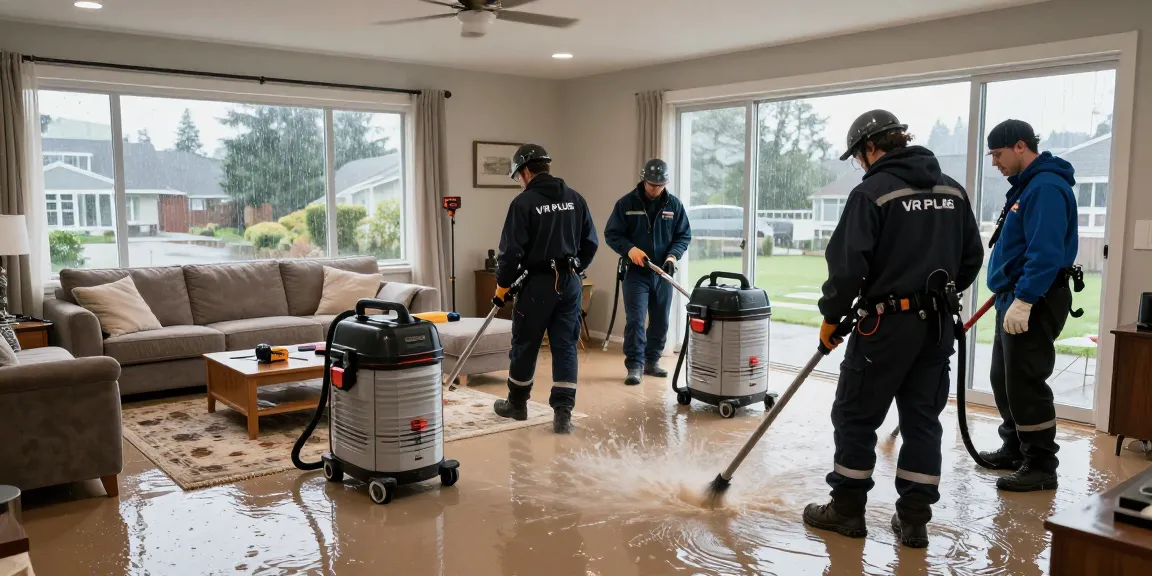
Water extraction is the first and most crucial step in restoring a water-damaged property. Using industrial-grade equipment, professionals can remove standing water quickly and efficiently. Techniques may include:
- Pumps: Used for large volumes of water.
- Wet Vacuums: Ideal for smaller amounts of water or residual moisture.
Restoration and Repair Strategies for Affected Areas
After water extraction, the next phase involves drying and dehumidifying the area. Advanced drying techniques and equipment are employed to remove moisture from walls, floors, and furnishings. If materials cannot be salvaged, they will be removed and replaced. Finally, restoration professionals will repair and restore the affected areas to their original condition.
Choosing the Right Water Damage Restoration Service
Selecting a reputable water damage restoration service is paramount for effective recovery. With numerous options available, homeowners must consider several factors.
Why Select VR PLUS for Your Restoration Needs?
VR PLUS offers comprehensive water damage restoration services tailored to the unique needs of West Vancouver residents. Our IICRC-certified technicians utilize state-of-the-art equipment and techniques to ensure thorough restoration.
Qualities of a Reputable Water Damage Expert
When choosing a restoration service, look for these key attributes:
- Certifications: Ensure the company is IICRC certified.
- Experience: A proven track record in handling various types of water damage.
- Response Time: 24/7 availability is crucial for emergency situations.
Understanding Insurance Coverage for Water Damage Restoration
Homeowners should familiarize themselves with their insurance policies regarding water damage. Not all policies cover every type of damage, so understanding coverage can help manage out-of-pocket expenses.
Future Trends in Water Damage Restoration Services
The restoration industry is continuously evolving, with new trends emerging that enhance the effectiveness and efficiency of restoration efforts.
Innovations in Restoration Equipment and Technology
Advancements in technology, such as moisture detection sensors and high-efficiency dehumidifiers, are improving restoration outcomes. These innovations reduce drying times and enhance the safety of the restoration process.
Building Resilience Against Future Water Issues
Homeowners can take proactive steps to build resilience against water damage through:
- Regular Maintenance: Routine inspections and maintenance of plumbing and roofing.
- Waterproofing: Implementing waterproofing solutions for basements and foundations.
Expert Insights on Best Practices for Homeowners
Homeowners are encouraged to adopt best practices, such as keeping drainage systems clear and promptly addressing leaks, to minimize the risk of water damage. Educating oneself about potential risks and solutions can empower homeowners to act quickly in the face of emergencies.
What should I do immediately after water damage?
First, ensure safety by turning off electrical systems and moving valuables to a dry area. Contact a professional restoration service to begin the recovery process.
How can I prevent mold growth after water damage?
To prevent mold, act quickly to dry out the affected areas, keep humidity levels low, and ensure proper ventilation.
Does insurance cover water damage restoration?
Coverage varies by policy. It generally protects against sudden and accidental damage, but reviewing your specific policy is recommended.
What are the most common sources of water damage?
Common sources include heavy rain, burst pipes, sewage backups, and appliance leaks.
How long does the restoration process typically take?
The duration of the restoration process varies depending on the extent of damage but typically ranges from a few days to several weeks.